
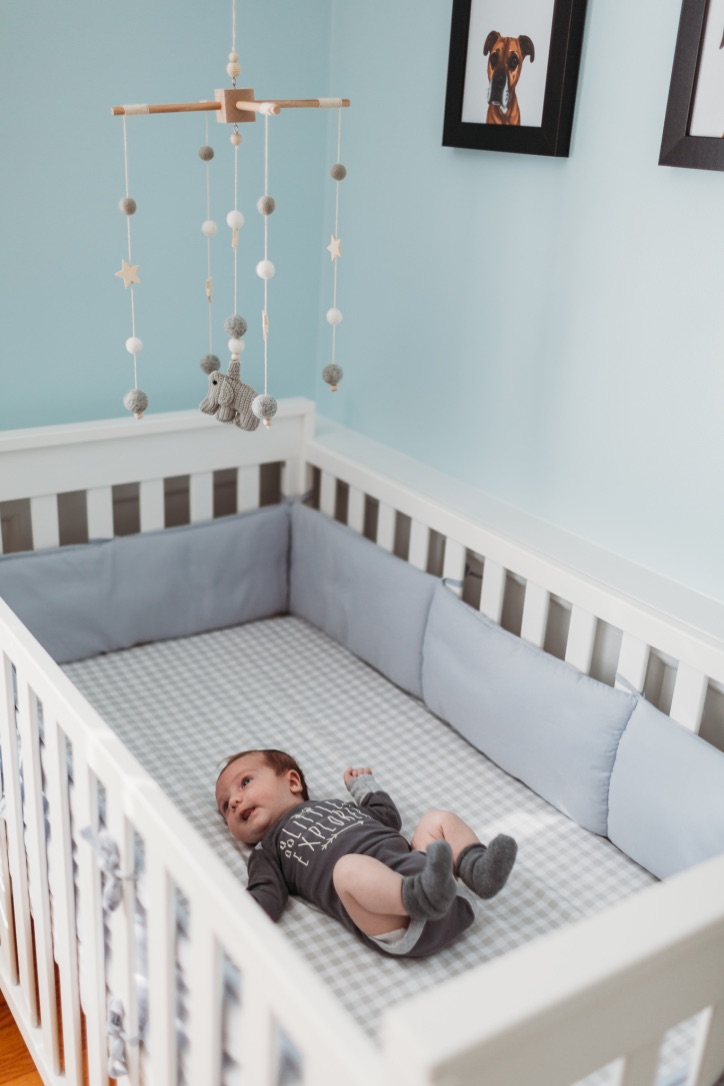
When you’re pregnant, one thing so many people will say to you is “enjoy your sleep while you can!” Totally terrifying. You mean I’m not going to sleep ever again like a normal person? When does that end? How are other parents doing it? I still have to go to work on no sleep?? That sounds AWFUL. But I’m here to tell you that it’s not totally true. There will be some nights you don’t sleep as much as you would have before you were a mom, but your nights of sleeping are not over.
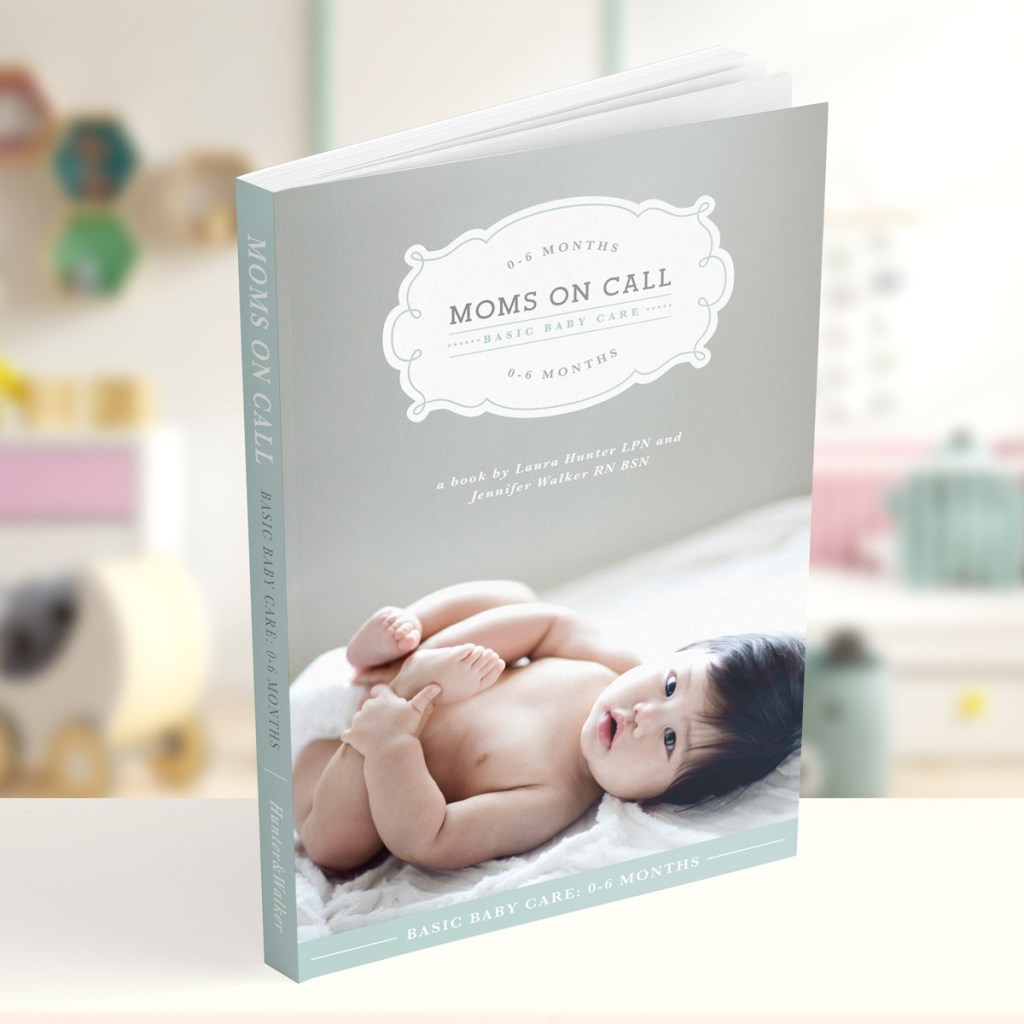
I was walking with one of my new mom friends when Max was about a month old, and we were comparing notes about how our babies sleep. She told me about how her baby slept almost all the way through the night from the beginning, but since I was struggling a little bit she told me that one of her friends had told her about this book called “Moms on Call
I read the whole book in two nights. A lot of it is just for reference, like how to handle diaper rash or how to give your baby a bath. These things are always handy to have around because there is so much that you don’t know as a new parent, so it’s easier just to have a book like this on hand that you can refer back to. I liked this book better than “What to Expect the First Year
The majority of book on how to get your baby to sleep cover what is called “sleep training”. I hadn’t heard of it before I had Max, and then what I read was pretty controversial about how to do it or what methods to use. In the end we decided to go with what was in the Moms on Call book.
What is sleep training?
Sleep training used to be associated with the “cry it out” method, where you basically put your baby in their crib at night and you didn’t go back into their room until it’s morning time, no matter how much they cried. But sleep training is so much more than just this one very old school method. Sleep training is just a general term for methods to help your baby learn to fall asleep by him or herself. There are many many varieties of sleep training, from sleeping in the baby’s room with them for a while, to the Ferber method where you check on you baby in set intervals throughout the night when they are awake, and so many in between those. You just need to find whatever method you are most comfortable with, and that works for your baby.
When should you start sleep training your baby?
The recommended age for sleep training according to our pediatrician is between four to six months old. Before three months, babies can’t tell the difference between night and day and need frequent night feedings. From three to four months they aren’t ready to self soothe, so it would be difficult to sleep train a baby before 4 months. Four to six months seems to be the sweet spot because at this point babies can make it six to eight hours without needing to eat.
Methods of sleep training
There are a lot of different methods you can try, but here are a few of the most popular:
- Fading Method- The fading method involves finding your baby’s natural bedtime by looking for cues that she’s tired or falling asleep, and then every night adjusting that bedtime to be a bit earlier by about 15 minutes until you reach the desired bedtime. This is a great method especially for getting a baby ready for a new schedule.
- Ferber Method- The Ferber method was introduced as a gentler version of the cry it out method, where you put your baby down at a specific time and if they cry you can check on them at specified intervals and try to soothe them back to sleep by doing things like patting them or talking to them, but not feeding them or picking them up.
- Chair Method- This method is where you put your baby down in their crib and if they cry, you go back in the room and sit next to them in a chair close to their crib, consoling them until they fall asleep, and then gradually moving the chair toward the door each night until you are out of their room. This method is good for a baby that is comforted just by your presence, but won’t work for a baby that likes to play whenever you are around!
- Cry it out- This is a method that isn’t really widely used anymore. It involves you putting your baby down in their crib awake and leaving the room and basically not come back until it’s morning time, no matter how much they cry. This method seems to be pretty hard on both parents and baby, and with the gentler ways that people use now it seems like the regular cry it out method is fading away.
- Pick up/Put down- The Pick Up Put Down Method is where you put your baby down in their crib awake, and then if they cry you go back, pick them up and rock or console them until they stop crying, and then put them back down still awake. This method can take a lot of time, but it does work!
- Wake to sleep- This method is interesting and not one that I’ve tried before, but it’s where you find when your baby consistently wakes up at night, so lets say 3am, and you purposely go in and semi wake them up an hour before they would usually wake up, so at 2am. You wake them up just enough so that they stir, so for Max it would even probably be enough just to open his door because he’s such a light sleeper, but you can try things like just touching their cheek or patting their belly. Waking them up a little bit will disrupt their sleep just enough to put them into a different sleep cycle.

Can your baby sleep in your room while sleep training?
I was a little confused about when to start sleep training because more recently I was looking into how long your baby should sleep in your room, and I found that the CDC recommends that your baby sleeps in your room until they are six months, or more ideally one year. This made me question when I should start sleep training, but it is possible to sleep train your baby as they sleep in the same room with you, you just have to make sure that you are not within their line of vision. You can set up a divider, hang up a sheet, or just move the crib away from the bed as much as possible. Using things like white noise machines will help as well. For us, we ultimately decided it was time for Max to sleep in his own room around four months because he would wake up whenever we moved (or when my husband snored!) so none of us were getting a good nights sleep. Don’t be afraid to do what you think is best for your baby- you know best and should trust your mama instincts!
How did we do it?
To start, we wanted to find a schedule that would work for us. In the books that I have read about this topic, I have learned that the best way to start with sleep training is to create a schedule to stick to day to day and we’ve learned that this is true. We took the Moms on Call schedule that you can find in their book, and we tweaked it to what we thought would be best for Max. We don’t follow it exactly every day, and some days we don’t follow it at all, but this is mostly what our schedule looks like day to day:
7am wake up and feed
7:30am-8:30/9am play
9am-10:30am/11am nap
11am-12:30pm/1pm- feed for 30 minutes and then play
1pm-2:30pm/3pm nap
3pm- 5pm feed for 30 minutes and then play

5pm-9pm- This time period really depends on the day. Sometimes he naps for an hour in this time frame, sometimes he plays the whole time, sometimes he fusses the whole time and a lot of the time it’s a mix of the three. It really depends on the day and how much he’s followed his napping schedule that day. I generally feed him once between 8pm to 10pm. A lot of nights he’ll fall asleep around 8:30pm, and sometimes he stays up until 9pm. We usually just listen to what he needs that night, and since we’ve been doing that he’s been sleeping through the night until 7am the following day.
A few things to note: There are certain things we stick to no matter what has happened that day. We wake up every single day at 7am, even if Max will continue to sleep past my alarm. He generally gets up every day at this time without me needing to wake him up, but I’ve found that if we wake up at 7am consistently, he tends to stick to the schedule a little bit better, and when the day goes well, usually the nights will too.
Another important thing is that many of the books and posts and articles that I read recommend that you give your baby a bath before bedtime. I wanted to note it because it seems to help for a lot of people, but for us it didn’t make a difference so we don’t have that in our nighttime routine. Max also has a crazy head of hair that looks nuts when he wakes up in the morning, so we usually give him a bath in the morning to tame his mane, and we will usually only do this every other day, so I didn’t want to make it part of our bedtime routine. But it could definitely be helpful to other babies.
When we started doing this we used the pick up put down method a lot, or something similar where if he woke up, I would go into his room and not pick him up but just pat his belly, give him his pacifier, and console him while he was still in his crib. This seemed to work really well too, but sticking to our schedule definitely helps best.
Helpful Tools For Sleeping
1.) Halo Micro Fleece Sleepsack Swaddle

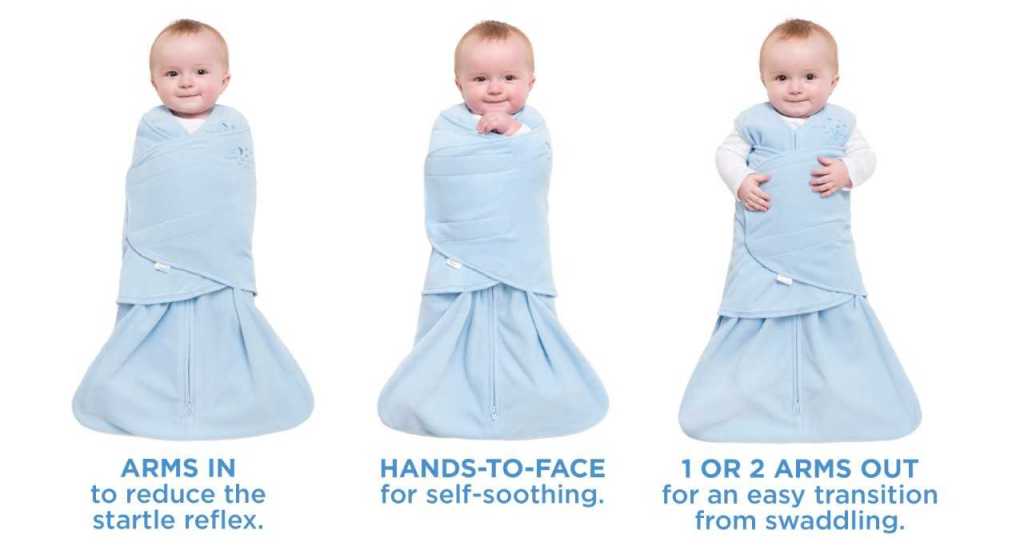
Moms on Call recommends their own swaddle, but we used the Halo Sleepsack swaddle and it worked great. It’s way easier than actually swaddling your baby which, to be honest, we never really mastered, and you can use it as they grow as a transition swaddle. We didn’t end up using it as our transition swaddle, but I do think it helped until Max was about 3 months old.

2.) Baby Merlin’s Magic Sleepsuit

I was so nervous to transition Max out of the swaddle, I thought we’d never get any sleep again once we started leaving his arms out. I looked into a lot of transition swaddles but we ended up settling on the Merlin’s Magic Sleepsuit at the recommendation of my two sister in laws. It really is magic. This thing works like a charm. The only down side is that I think it runs a little small, so Max grew out of the 3-6 version pretty quickly. They can only use this until they are able to or trying to roll over in it, which Max hasn’t tried to do, but we’re ready for it when he does!
3.) Summer Soothe and Vibe Portable Soother

We were introduced to this when we were in the hospital, and we pretty much turn it on for Max every time we put it down. It makes the bed vibrate for 20 minutes, and it puts him right to sleep. It can also be used as white noise maker, but we use a different white noise maker because the only down side to this product is it tends to run through batteries pretty quickly.
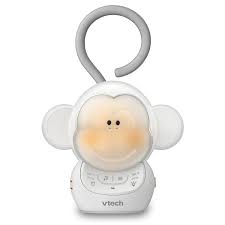
4.) Myla The Monkey Baby Sleep Soother

This is the white noise maker that we use, and I like it because it’s rechargeable so it’s one of the few things that doesn’t burn through batteries. It also has a nightlight, and 10 different sounds you can play on it. Moms on Call says that if the baby is sleeping they should sleep basically in pitch black so we don’t really use it for anything besides the white noise maker, but we like it for that!
Does it always work?
Nothing is a sure thing, and the method that works for you for a few months might not work for the entire time that your baby needs help with sleeping. It’s a good idea to try different methods if one doesn’t work for you, and the ones that I listed are just a few of the more popular sleep training methods, there are many more out there if this one doesn’t work for you. Don’t get discouraged when one doesn’t work, I promise eventually you will find the best way to get your baby to sleep.
There is no one size fits all method for getting your baby to sleep. I recommend reading Moms on Call if you need a place to start, and then researching different types of sleep training methods that might work better for you if their recommendations don’t work. If you had luck sleep training your baby with a different method than the ones that I’ve listed, or if you have any additional suggestions, please drop a comment below to let me know!

